Fascia trends in home design: protecting your roof and enhancing aesthetics
It's the horizontal band under the roof edge — the part that keeps water out of the structure, and the part everyone sees from the street.
Watch: fascia and roof trim in practice — open on YouTube
The short answer
Fascia has two jobs and most people only think about one. It's a water barrier first and a design line second — and how it's made decides how well it does both.
Side by side
Pre-formed fascia vs. trim coil bent on site
This is the decision that determines whether fascia performs for decades or develops problems. One is manufactured to measured dimensions in a controlled setting; the other is shaped by hand on the job.
| Method | How it's made | Seam & fit | Consistency | Risk |
|---|---|---|---|---|
| Pre-formed fasciaRecommended | Manufactured off site, engineered to the building's specific dimensions. |
Flush
|
Accurate and repeatable across every run on the building. | Low. The dimensions are set before anyone reaches the ladder. |
| Trim coil bent on site | Formed by hand at the job from flat coil stock. |
Gaps possible
|
Varies with conditions, tooling and whoever is bending it. | Higher. Human error shows up as gaps and imperfections later. |
Scroll the table sideways →
The role of fascia in home design
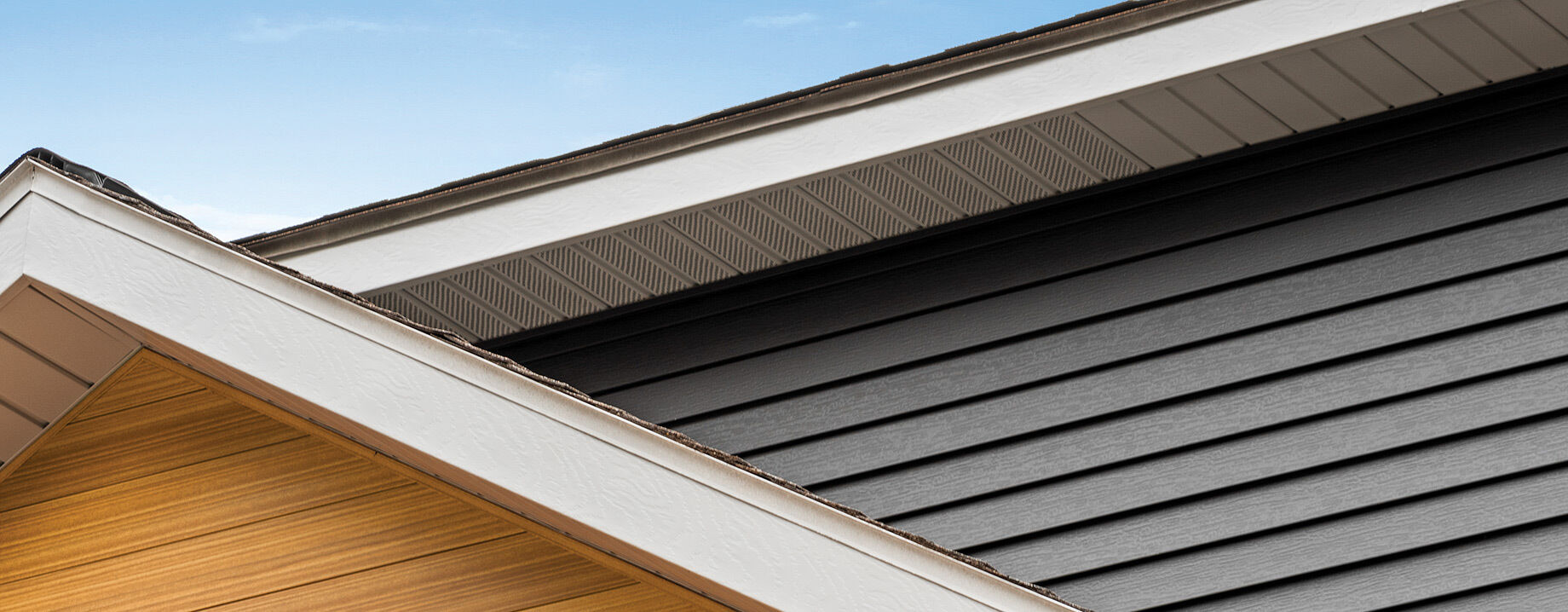
Fascia is the horizontal band located beneath the edge of the roof, running along the eaves of a building. Its primary function is to protect the roof and the interior of the house from water damage.
It works as a barrier, preventing rainwater from seeping into the building, and it channels water away from the roof and walls. Every aesthetic decision described below sits on top of that job — if the fascia isn't keeping water out, nothing else about it matters.
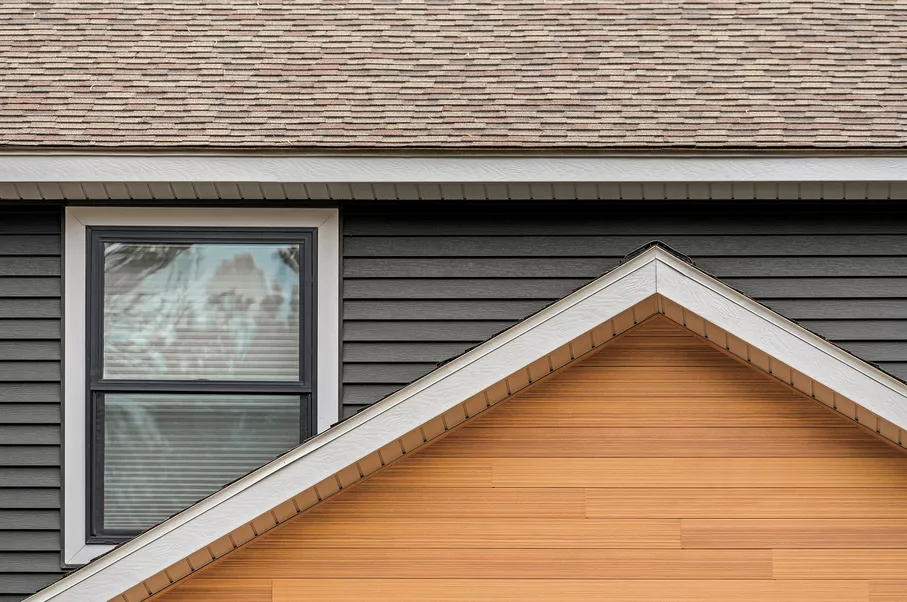
Aesthetic enhancements with fascia
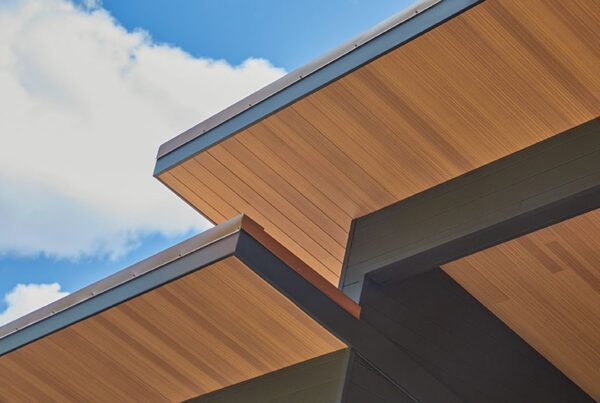
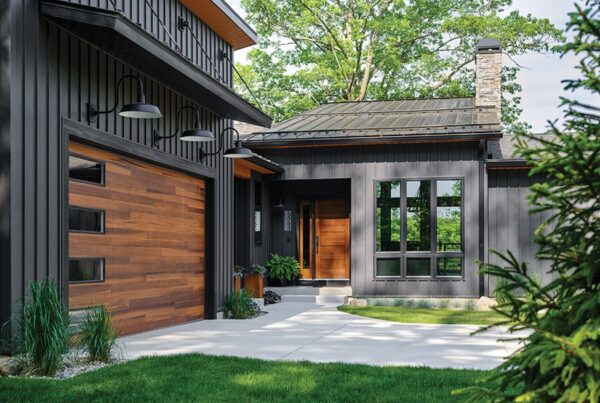
Beyond its protective role, fascia contributes significantly to a home's curb appeal. As a visible exterior element, it shapes the architectural style and character of the house.
Homeowners and designers increasingly treat fascia as an opportunity rather than a detail to hide — a place to add visual interest and give the exterior a distinct appearance instead of defaulting to whatever is cheapest.
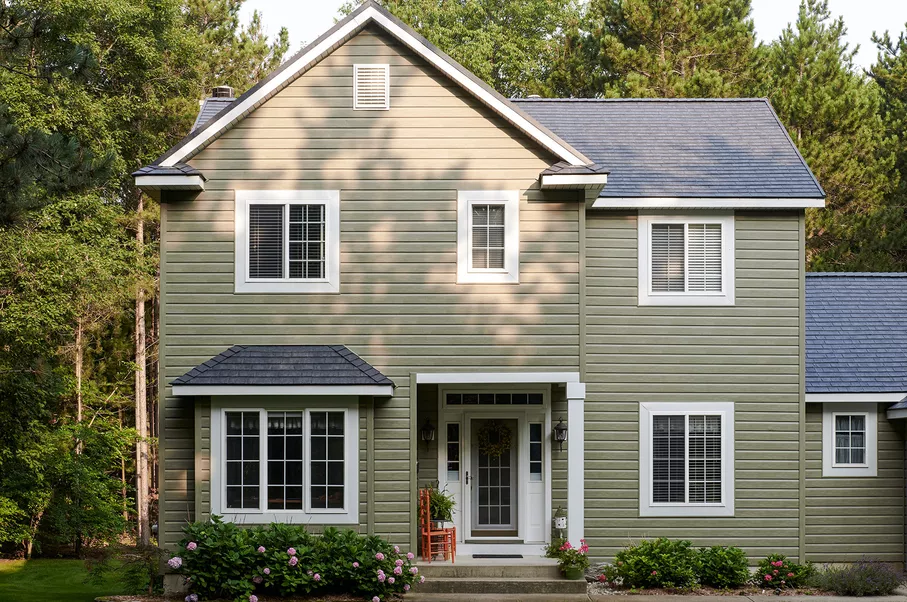
Key differences in fascia styles and colors
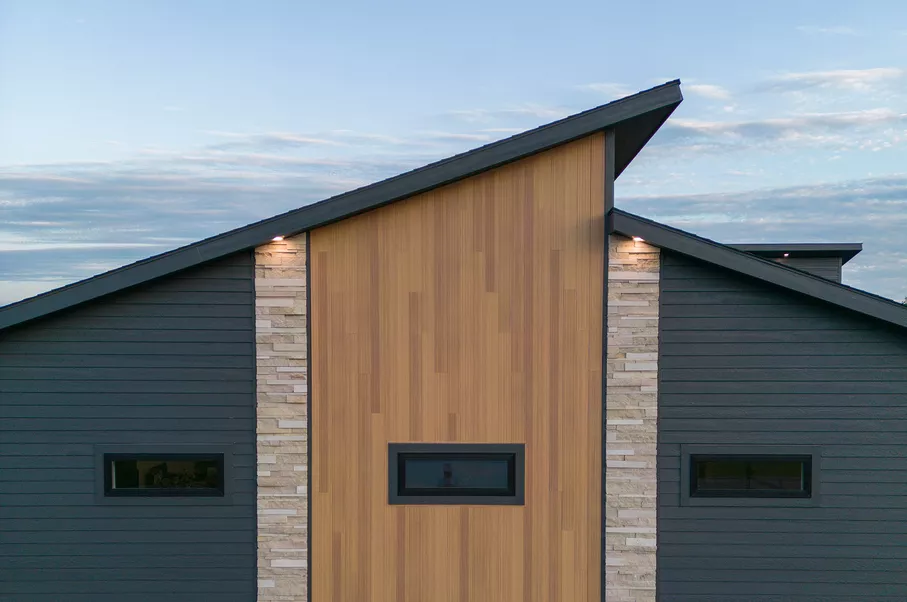
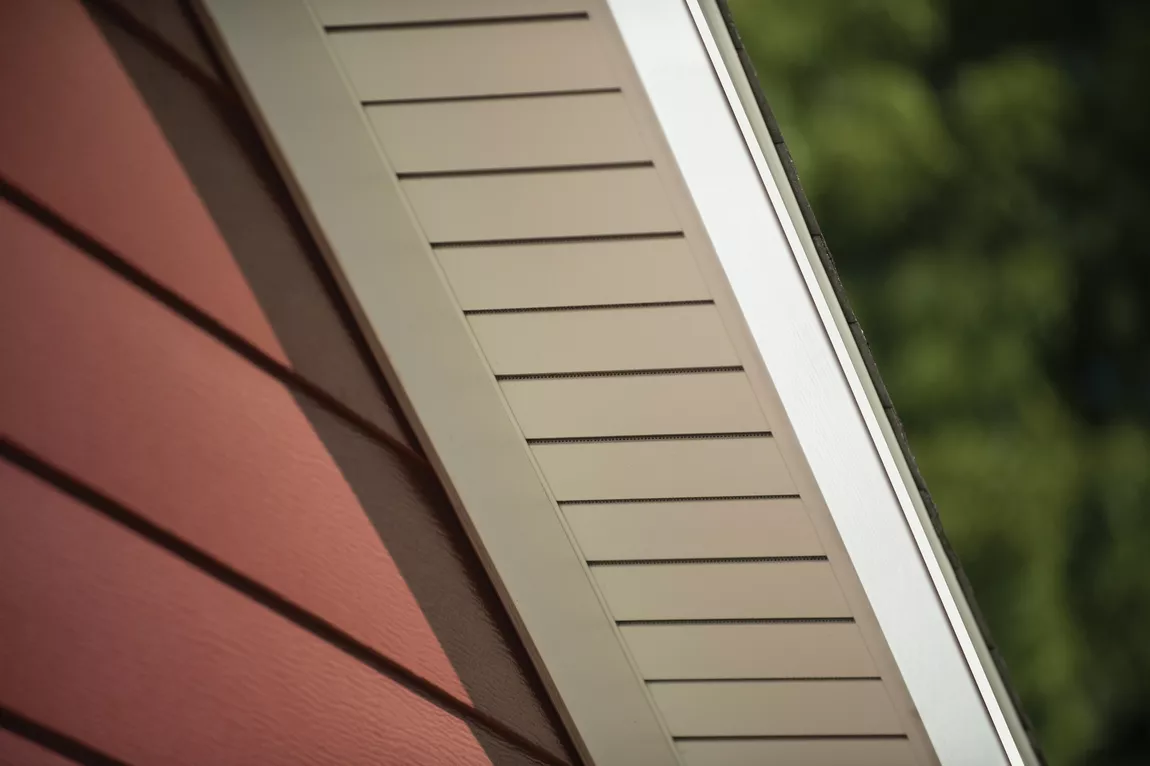
Fascia comes in a range of styles and colors, so it can be matched to a home's architecture and the owner's preferences. Traditional profiles are straightforward and functional. Contemporary options bring more intricate detail, with flat or embossed surfaces.
On color, classic neutrals — white, beige, gray — remain popular, but homeowners are increasingly choosing bolder shades to make a statement. Quality Edge fascia is offered in multiple textures, colors and thicknesses to meet the demands of any application.
Pre-formed fascia vs. trim coil bent on site
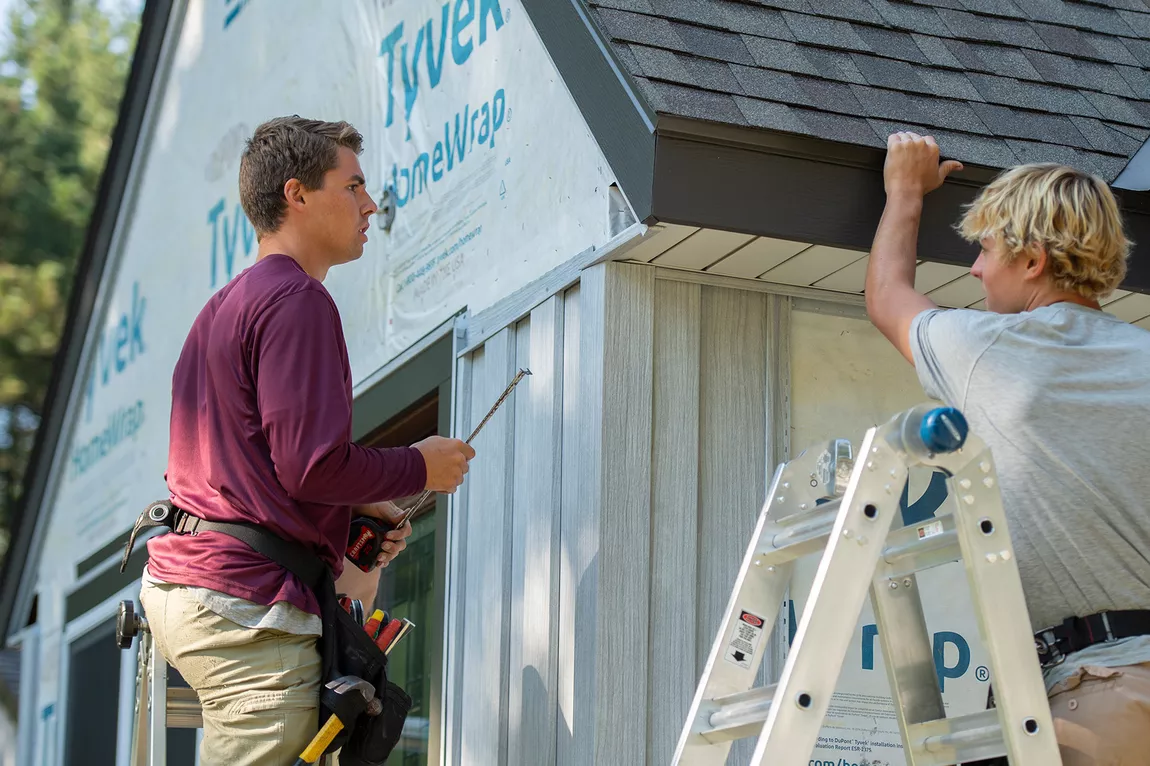
One crucial decision comes at installation: use pre-formed fascia, or bend trim coil on site. Pre-formed fascia is manufactured off site and precisely engineered to the specific dimensions of the building. The result is a more accurate, more consistent fit with fewer gaps and imperfections.
Coil bent on site is subject to human error. A bend that's slightly off reads as a gap or a wave along the eave, and those small inaccuracies become long-run problems — exactly where water is supposed to be kept out.
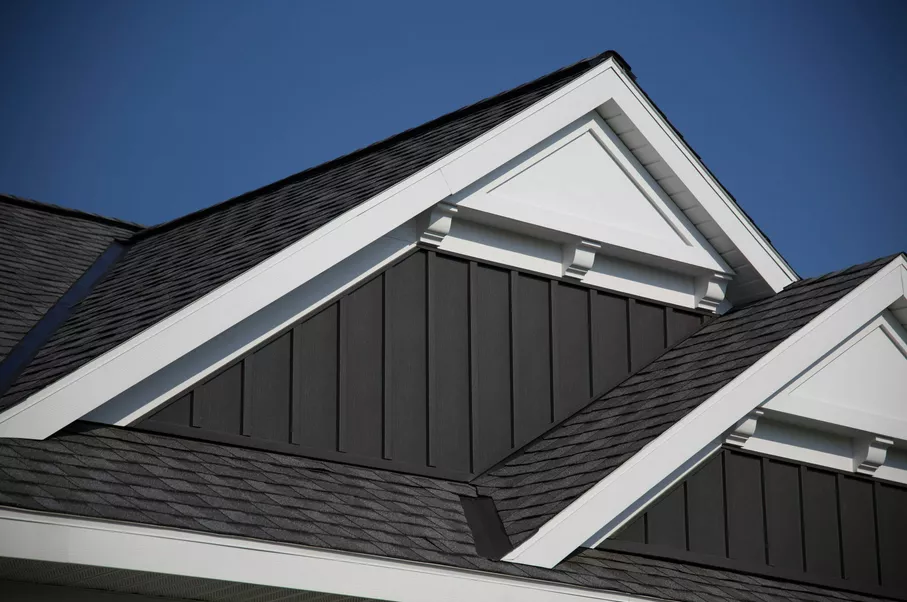
The product
Quality Edge pre-engineered fascia
Among the options on the market, Quality Edge pre-engineered fascia stands out as the solution contractors prefer — from a brand with a long-standing commitment to high-quality building products.
Precision
Pre-formed to precise measurements, for a seamless fit that follows the building's architecture.
Durability
Superior materials that hold up against weather-related wear and tear.
Ease of installation
Faster on the job and fewer chances for installation error.
Wide variety
A broad range of styles and colors to match any architectural style.
In closing
The unsung hero of the roof edge
Fascia has become a crucial element in home design, serving practical and aesthetic purposes at once. It protects the roof and the structure behind it, and it shapes how the whole building reads from the curb.
Choosing the right style and color matters for the look. Choosing pre-formed over coil bent on site matters for whether that look holds up. If you're planning a renovation or building new, fascia is worth more thought than it usually gets.
See fascia products